
frolic drops park
Gully Reclamation
GULLY RECLAMATION
FROLIC DROPS PARK
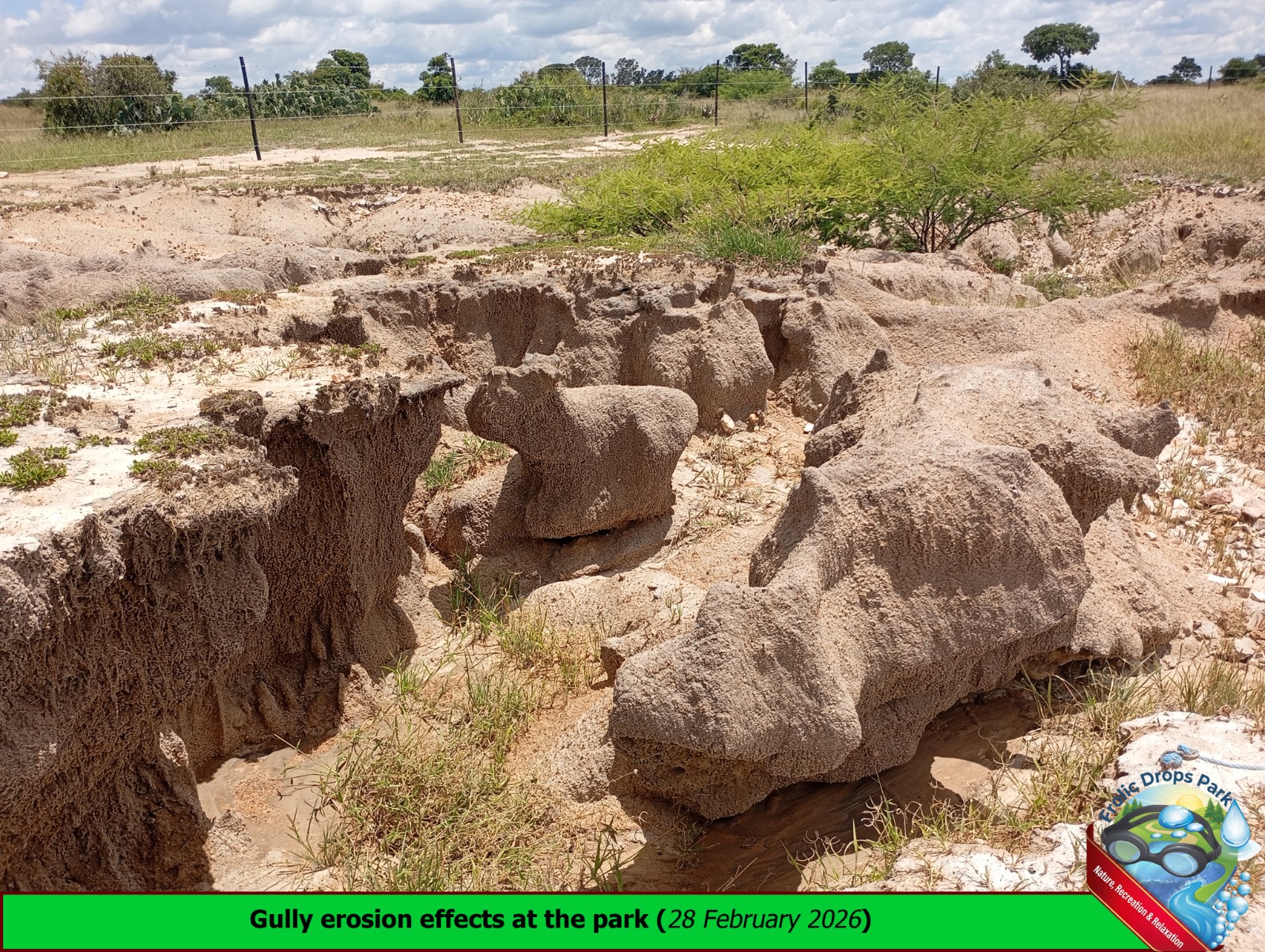
Gully reclamation involves stabilising soil and managing water flow through a combination of engineering structures (check dams, diversion ditches) and vegetation (planting trees, grass) to halt erosion, trap sediment, and rehabilitate degraded land. Effective methods often combine low-cost, local materials, such as stone check dams or brushwood barriers, with vegetative measures for long-term stabilisation. There is a wide and long gully that has developed over a long period of time at the park site. Measures to control the expansion are underway.
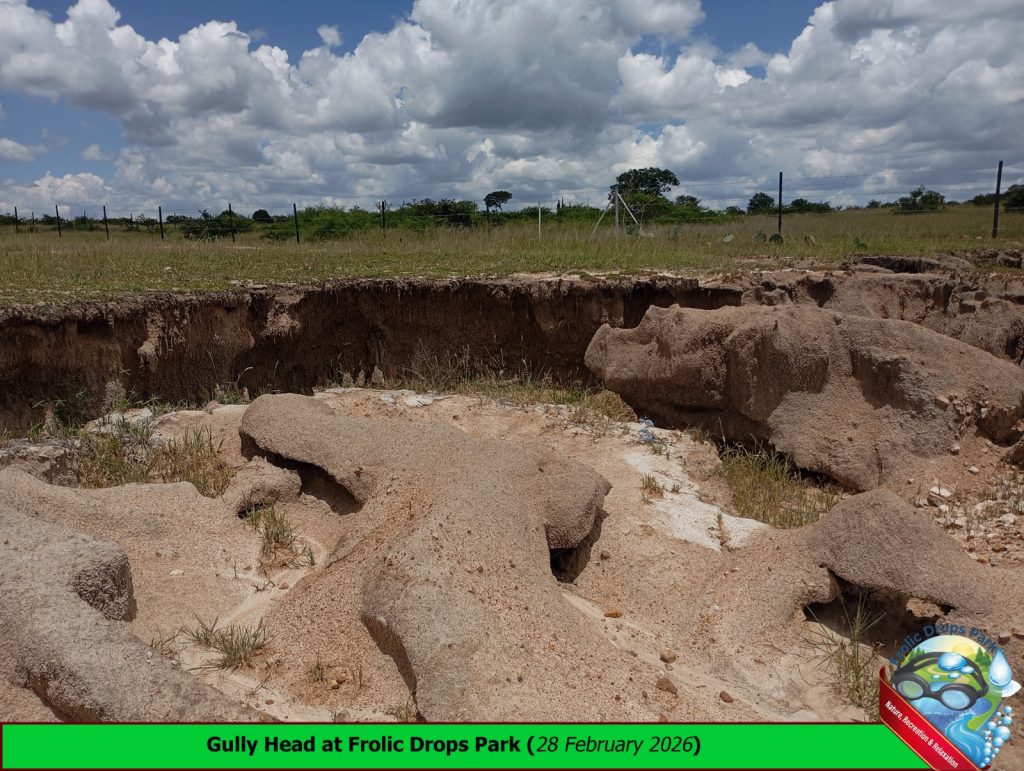
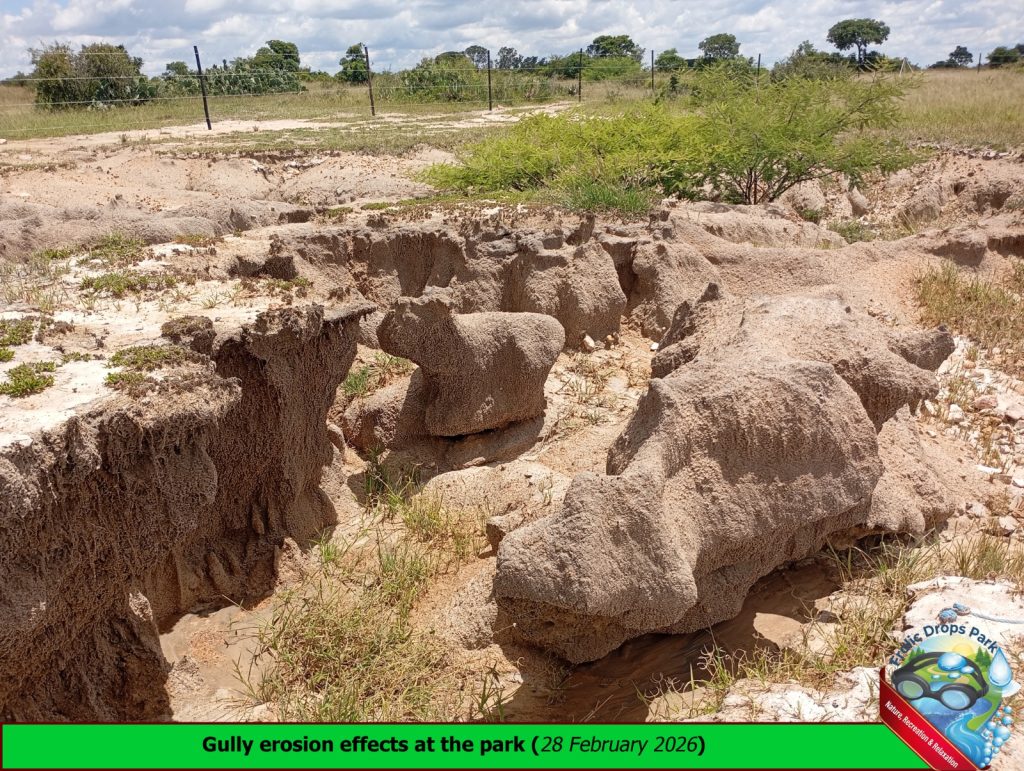
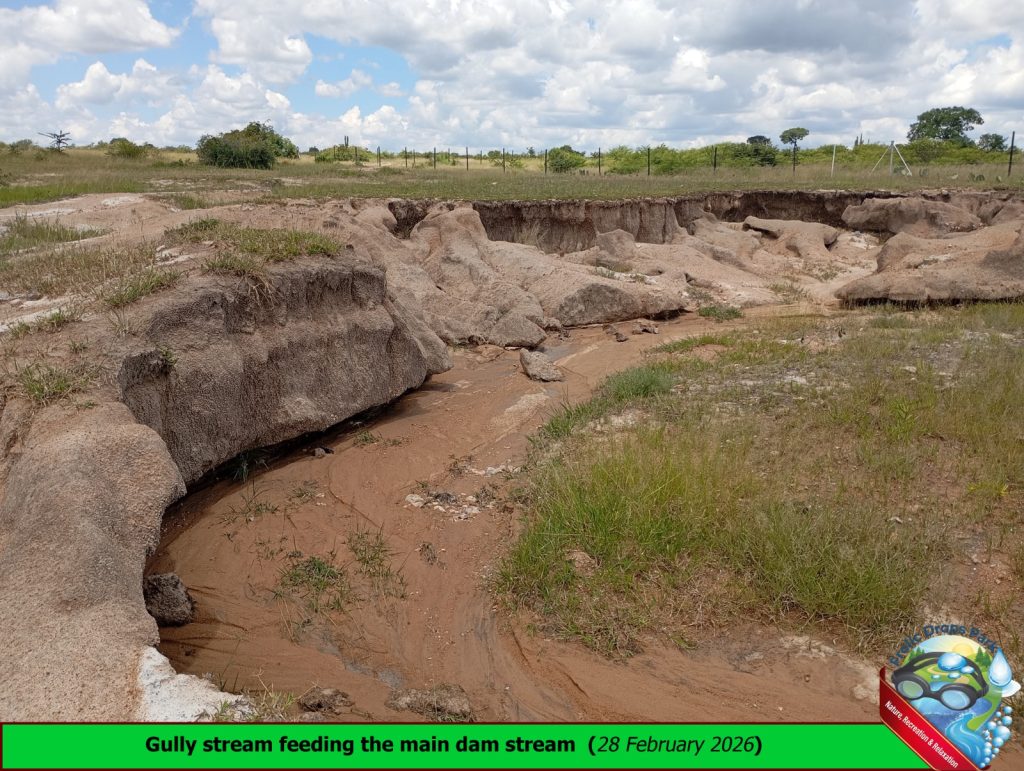
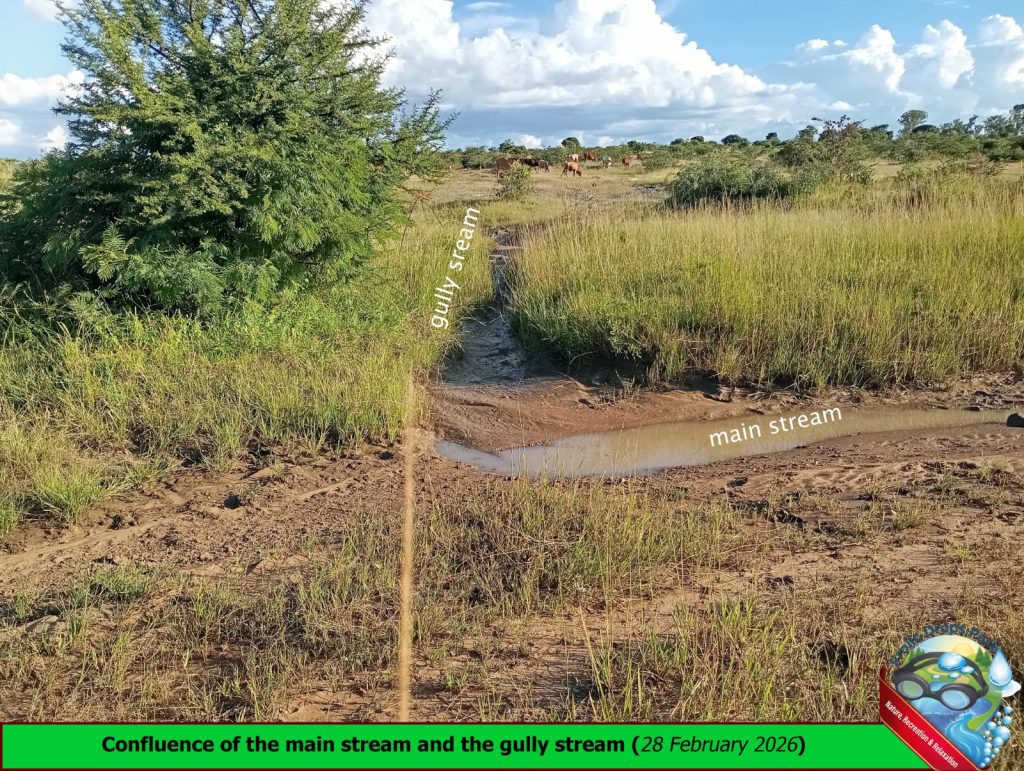
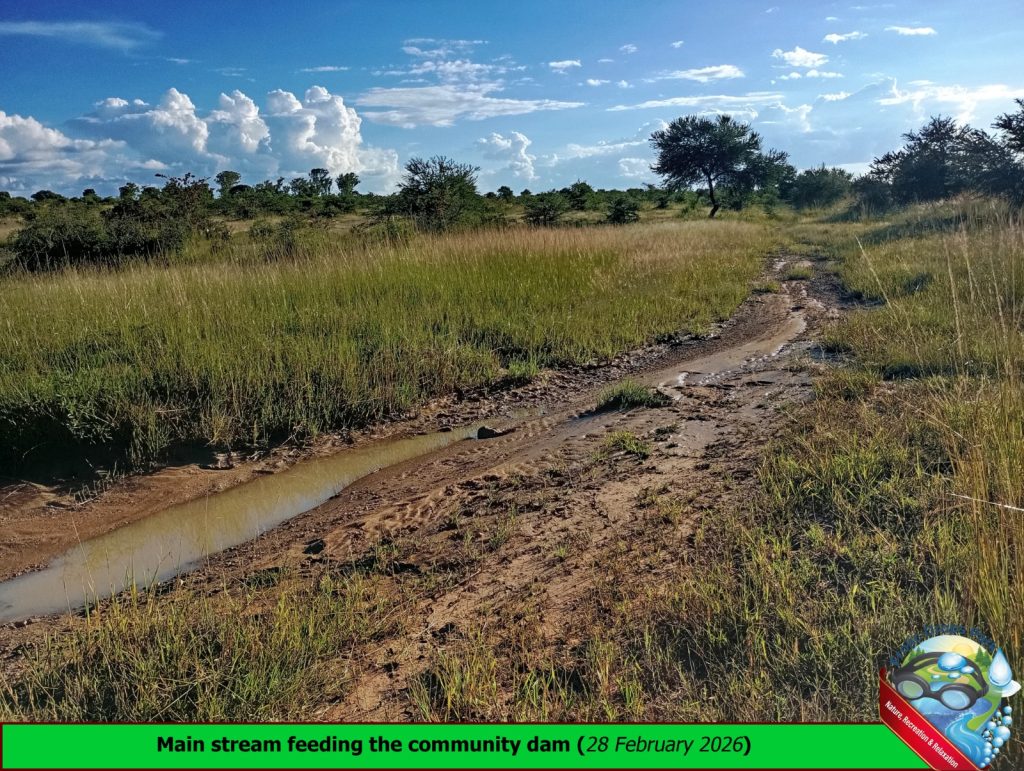
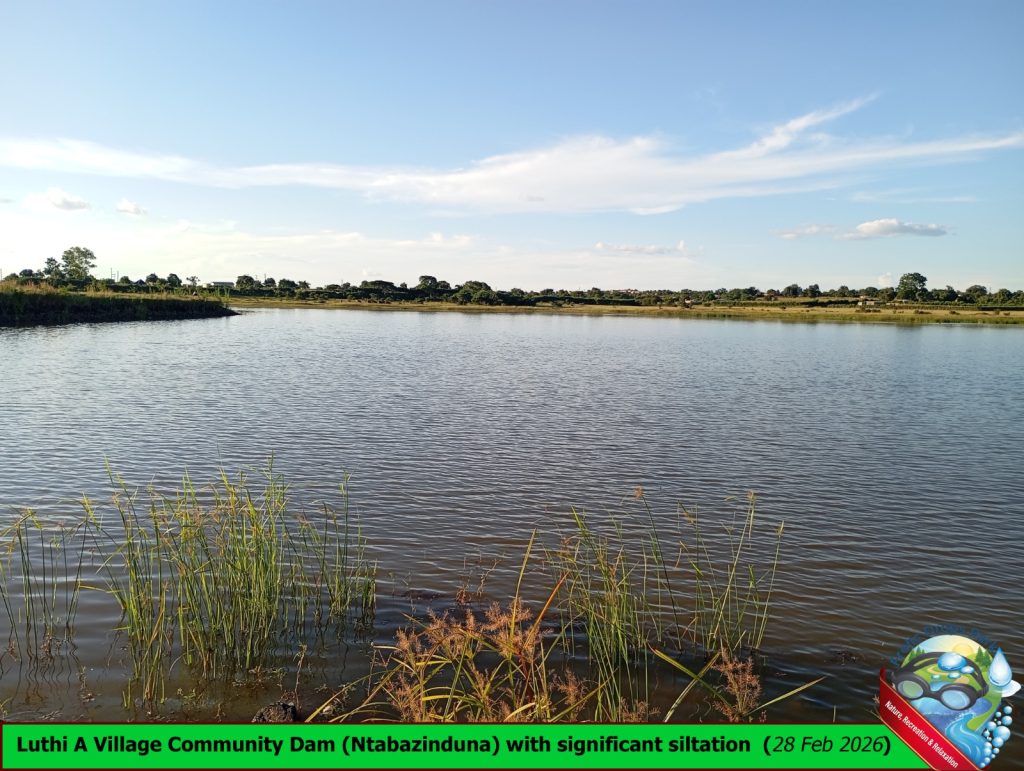
These methods slow down runoff velocity and trap sediment to fill in the gully.
Check Dams
Small, temporary or permanent dams made of stone, brushwood, log, or concrete built across the gully bed. They reduce water velocity and encourage sediment deposition.
Gully Head Management
Reshaping gully heads (typically to a 45-degree slope) and stabilising them with rock riprap or vegetation to stop further upslope advancement.
Diversion Ditches/Bunds
Constructing channels above the gully head to divert surface water runoff away from the gully.
Slope Reshaping (Grading)
Reducing the steepness of gully banks through mechanical leveling to improve stability and facilitate vegetation planting.
Biological Measures (Vegetative)
These methods bind the soil and protect the surface from raindrop impact.
Planting Vegetation Barriers
Using grasses (e.g., Vetiver) and shrubs as vegetative barriers to act as sediment traps.
Afforestation
Planting trees with strong root systems to stabilise gully banks and improve soil structure.
Mulching
Covering exposed soil with organic material to reduce erosion and encourage plant growth.
Management and Land-Use Practices
Controlled Grazing
Excluding livestock from active gully areas to allow vegetation to recover. The gully area at the park covers a wide area, however part of the gully area has been fenced and secured hence grazing has been partially controlled. Plans to secure the entire gully area with a fence are underway.
Contour Farming and Terracing
Implementing conservation agriculture techniques on land surrounding the gully to reduce overall runoff. Looking at the proximity of the community dam, no farming activities will be carried out. However, we will employ scenic landscaping technics including planting green lawn to control turbulent runoff which accelerates soil erosion.
Advantages of Gully Reclamation
Restores Productive Land
Converts wasted, eroded land back into usable areas for farming, grazing, or forestry. In our case, the gully will be transformed into a scenic landscape through planting of various trees and grasses. There won’t be grazing and farming. This will in turn enhance the beauty of the landscape for recreational purposes.
Soil Conservation
Significantly reduces further soil loss and prevents the further deepening or widening of gullies.
Water Management:
Promotes groundwater recharge and reduces the velocity of stormwater runoff.
Environmental Protection
Restores natural landscapes and, with vegetation, creates habitats that reduce erosion.
Enhanced Safety
Eliminates dangerous, deep pits that pose risks to livestock and human movement.