
frolic drops park
Tree Planting and Maintenance
Tree Planting and Maintenance
FROLIC DROPS PARK
The idea of creating a tree plantation on a sloping area leading to the dam is a strategic environmental management practice, primarily designed to protect the integrity of the community dam, enhance water quality, and stabilise the terrain which has seen intensive gully formation over the years.
The main objectives (tree plantation) are:
-
Soil Erosion Control and Stabilisation
Trees and their root systems act as anchors, binding loose soil on steep slopes, which prevents soil from washing into the dam during heavy rains. This stops ‘splash erosion’ by creating a canopy that intercepts heavy rainfall before it hits the ground.
-
Reduction of Siltation/Sedimentation
By preventing erosion, trees directly reduce the amount of sediment (soil) that enters the dam, thus preventing the accumulation of silt that reduces the dam’s capacity and lifespan
-
Water Quality Enhancement
The plantation acts as a natural, biological filter and buffer zone. As surface runoff flows through the trees, the vegetation slows down the water and traps nutrients, pollutants, and debris, preventing them from entering the water and causing issues like eutrophication.
-
Reduction of Surface Runoff and Flood Mitigation
Trees improve the soil’s ability to absorb water (infiltration), which reduces the speed and volume of surface runoff during heavy, sudden rainstorms.
-
Reduction of Evaporation
Strategically planted trees can provide shade to the dam and break wind speeds, which reduces the rate of water evaporation from the surface, especially during hot or dry periods.
-
Biodiversity Conservation and Habitat Creation
Planting trees provides a, safe corridor and habitat for local wildlife, insects, and birds, which improves the overall ecosystem health.
-
Carbon Sequestration
The trees help absorb carbon dioxide from the atmosphere, contributing to climate change mitigation
Key Categories of Native Plants in the Park
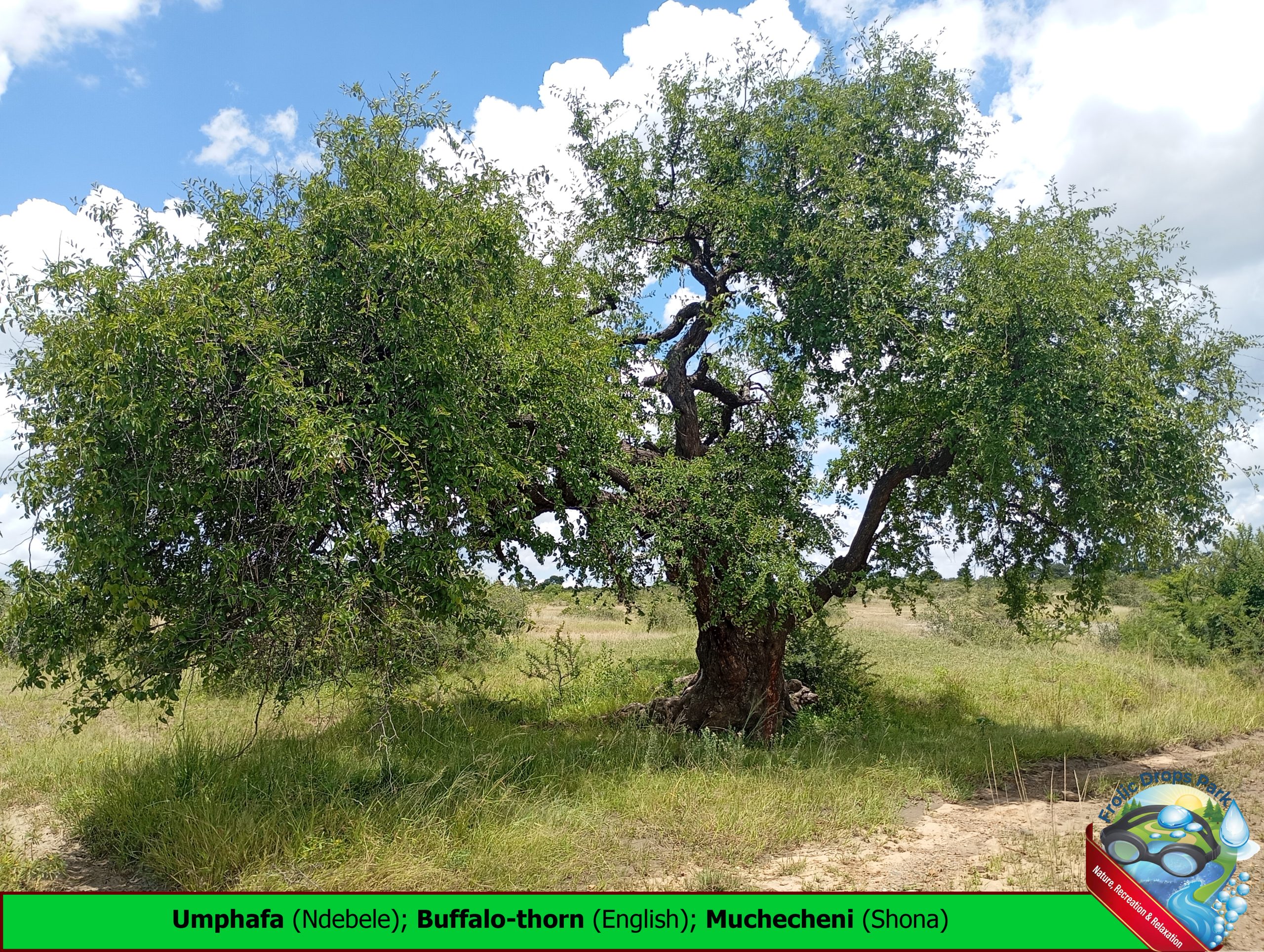
1. Trees
Characterised as tall plants with a single, thick, hard woody stem (trunk) that provides shade and habitat. Examples include Umphafa, Isinga, Isanqawe, Umsehla, Umganu, Iphucula, Umkhiwa etc.
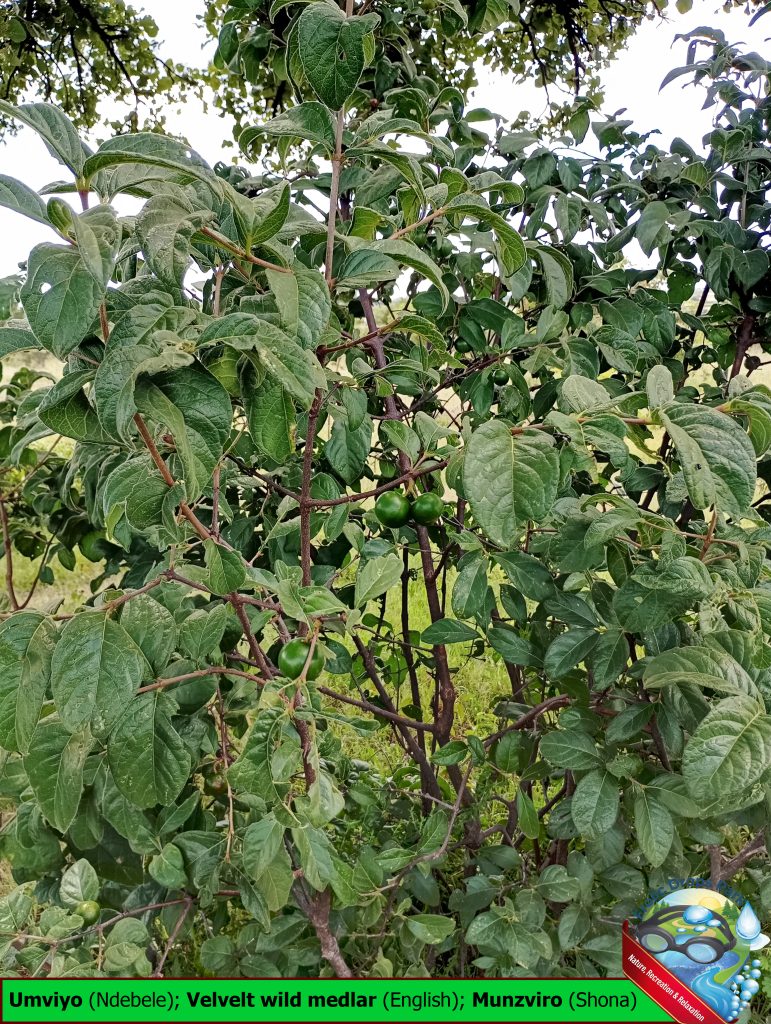
2. Shrubs
Medium-sized, woody plants with multiple stems arising from the base, giving them a bushy appearance. They are generally shorter than trees (often under 10m). Examples include Isihlangu, Umviyo etc.
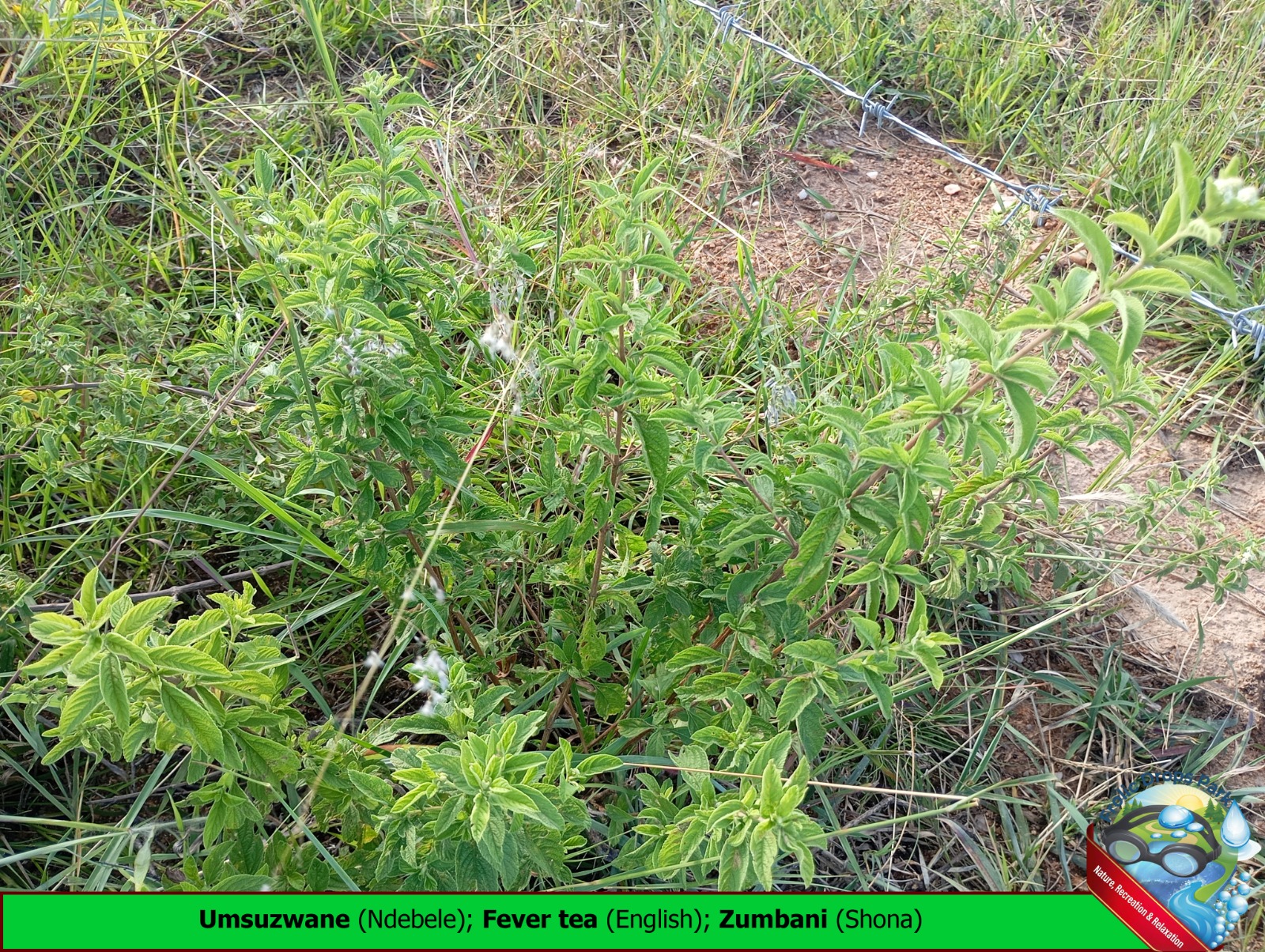
3. Herbs
Small plants with soft, tender, non-woody stems. Some often die back at the end of the growing season. Examples include Umsuzwane, Aloe vera etc.
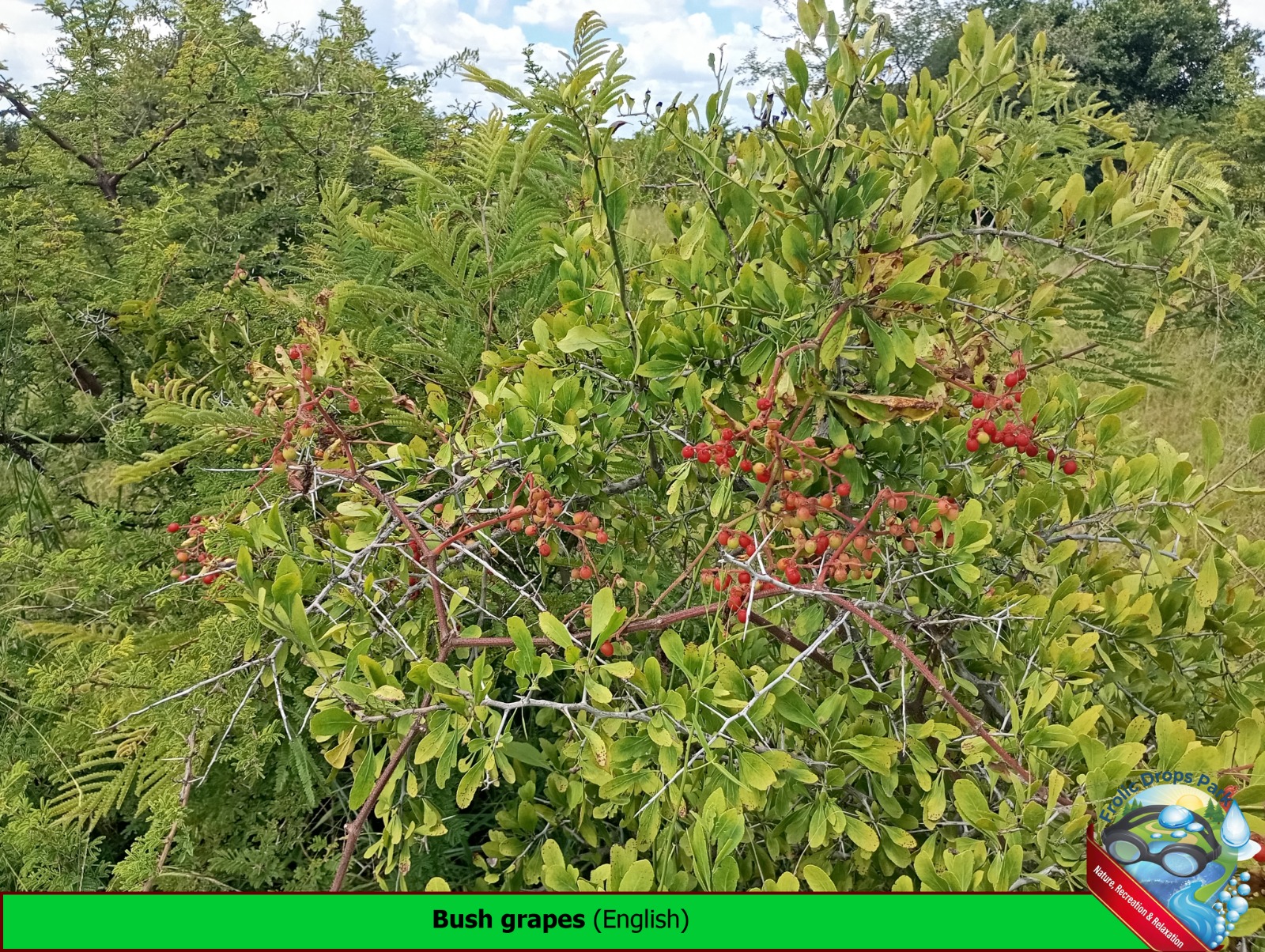
4. Climbers
Plants with weak stems that require support, such as bush grapes
5. Creepers
Plants that grow close to the ground, spreading horizontally
Grass